 Milometry
Your van is not allowed to do 70 on that road
Most vans, and cars towing, have lower national speed limits than cars on single and dual carriageways. It is an easy rule to miss.

General information, not advice. Written as general information and correct as far as we know on 27 September 2026. The law changes, and how it applies depends on the facts of your situation. This is not legal advice: check the official guidance, or speak to a solicitor, before you rely on it.
This is one of the easiest rules on British roads to break without realising it.
The national speed limits
For a car or motorcycle:
- Single carriageway: 60 mph
- Dual carriageway: 70 mph
- Motorway: 70 mph
For a van or goods vehicle up to 7.5 tonnes (not car-derived):
- Single carriageway: 50 mph
- Dual carriageway: 60 mph
- Motorway: 70 mph (60 mph if articulated or towing a trailer)
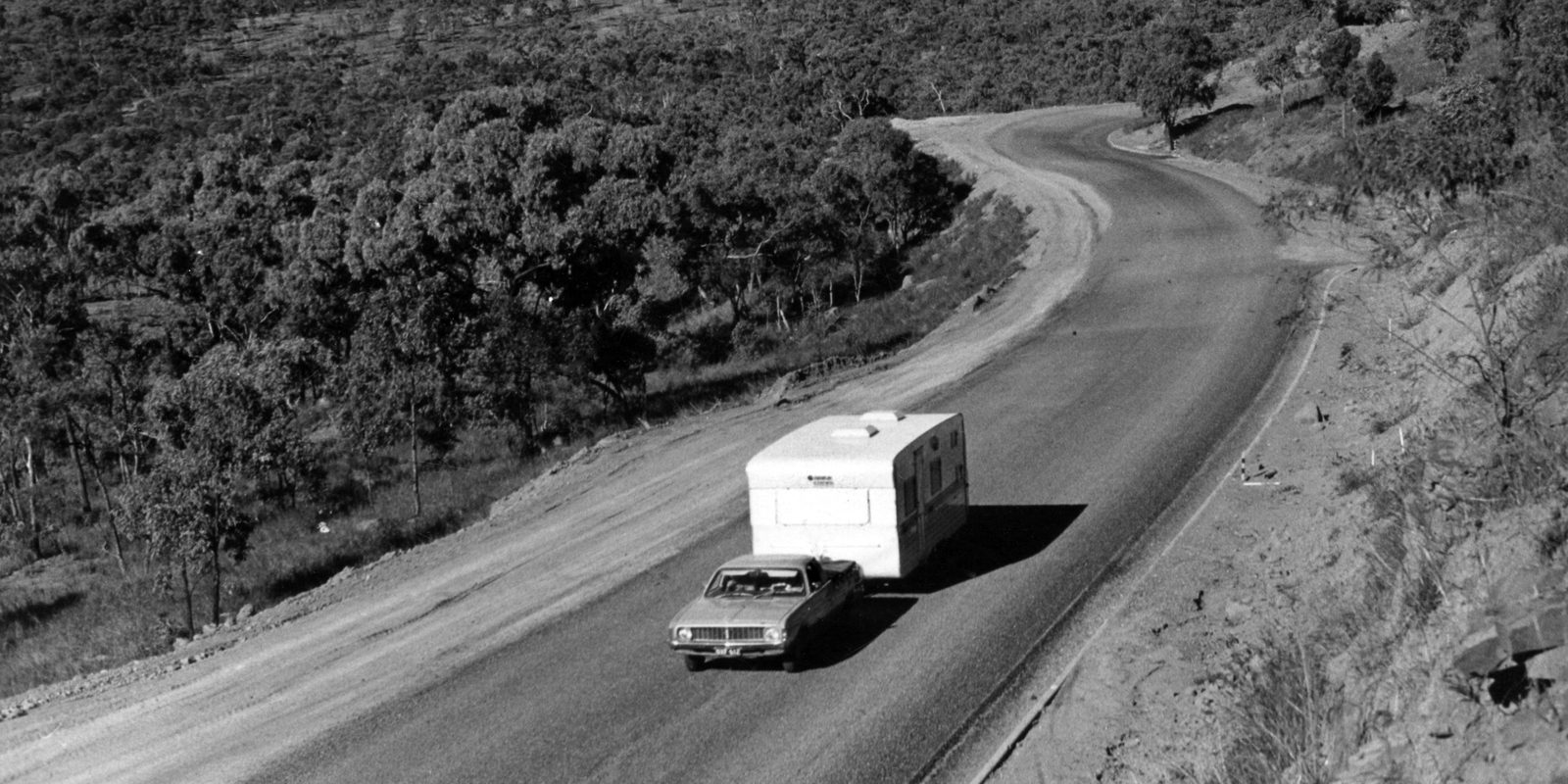
For a car or van towing a trailer or caravan:
- Single carriageway: 50 mph
- Dual carriageway: 60 mph
- Motorway: 60 mph
So a van on a national-speed-limit single carriageway is limited to 50, not 60. On a dual carriageway it is 60, not 70. Both are enforceable, and both are easy to miss for a driver who assumes the national speed limit sign means the same thing to them as to a car.
The table to keep in your head
| Vehicle | Built-up area | Single carriageway | Dual carriageway | Motorway |
|---|---|---|---|---|
| Car or motorcycle | 30 | 60 | 70 | 70 |
| Car-derived van | 30 | 60 | 70 | 70 |
| Van or goods vehicle up to 7.5t | 30 | 50 | 60 | 70 |
| Car or van towing | 30 | 50 | 60 | 60 |
| Goods vehicle over 7.5t, England and Wales | 30 | 50 | 60 | 60 |
| Goods vehicle over 7.5t, Scotland | 30 | 40 | 50 | 60 |
All figures in mph, and all assume the national speed limit applies. The built-up area figure is 20 mph in Wales rather than 30. A posted limit always overrides them.
The rows that catch people are the two in the middle: a van on a derestricted single carriageway is limited to 50, and towing anything drops you to 60 on the motorway.
The car-derived van exception
There is a distinction that catches people. A car-derived van, a vehicle based on a car and weighing no more than 2 tonnes laden, keeps car speed limits, as does a qualifying dual-purpose vehicle. A small panel van that looks similar but is not car-derived does not.
The V5C is the place to check. "It's only a small van" is not the test.
What the difference costs in time
A 150-mile single-carriageway run:
| Vehicle | Limit | Journey time | Difference |
|---|---|---|---|
| Car | 60 mph | 2h 30m | n/a |
| Van | 50 mph | 3h 00m | +30 min |
| Towing | 50 mph | 3h 00m | +30 min |
Half an hour on a long A-road run is a real cost to a working day, which is why the limit is tempting to ignore. It is still the limit.
Towing: the extra rules
Beyond the speed limits, towing brings others that are easy to fall foul of:
- No towing in the outside lane of a motorway with three or more lanes, except where lanes are closed
- Licence entitlement depends on when you passed your test and the weight of the combination
- Noseweight and maximum towing limits for your specific vehicle, which are on the V5C and the towbar plate
Why this matters more if you drive for work
Two reasons beyond the fine.
Points affect your job. Drivers who need a licence for work, trades, deliveries, anyone with a company vehicle, are at more risk from accumulating points than the average motorist, because they are on the road far more.
Insurance and employer liability. A speeding conviction while driving for work involves your employer as well as you, and can affect the business's insurance.
The dull but effective answer
Know your vehicle's category, and check the V5C rather than guessing from the shape of the bodywork. Then treat a derestricted sign on a single carriageway as 50 in a van, not 60, which is exactly the situation where everyone behind you will be certain you are wrong.
Sources
- Speed limits (GOV.UK)
- Towing with a car (GOV.UK)
- The Highway Code
- Penalty points (endorsements) (GOV.UK)
General road safety information, not legal advice. Check your vehicle's classification on its V5C.